
chapter.01
Project Location: Central Rim, Boise
Timeline: 09.2025 - 05.2026
The first full expression of the philosophy behind Lovett Homes.
Balsam’s proximity to downtown Boise, Kathryn Albertson Park, and the Greenbelt suggested an active, connected way of living. The project focused on opening the relationship between the kitchen, dining room, living room, backyard, and pool so the home could better support gathering, daily use, and separation when needed.
The home was expanded from 2,470 to 2,710 square feet and moved from 5 bedrooms and 2 bathrooms to 5 bedrooms and 3 bathrooms. The work opened the main living areas, separated the laundry from the kitchen, restored the pool, created a true primary suite, reclaimed basement utility space, reworked the basement bathroom, and restored the original hearth tile. The finished home received multiple offers and sold above list price. The buyer profile matched the household I had imagined: young professional couple with multiple kids.
The choices and intentions that shaped Balsam.
AUTHOR'S NOTES.
balsam.2025
floor plan logic.
How the floor plan was re-authored around the life it was meant to support.
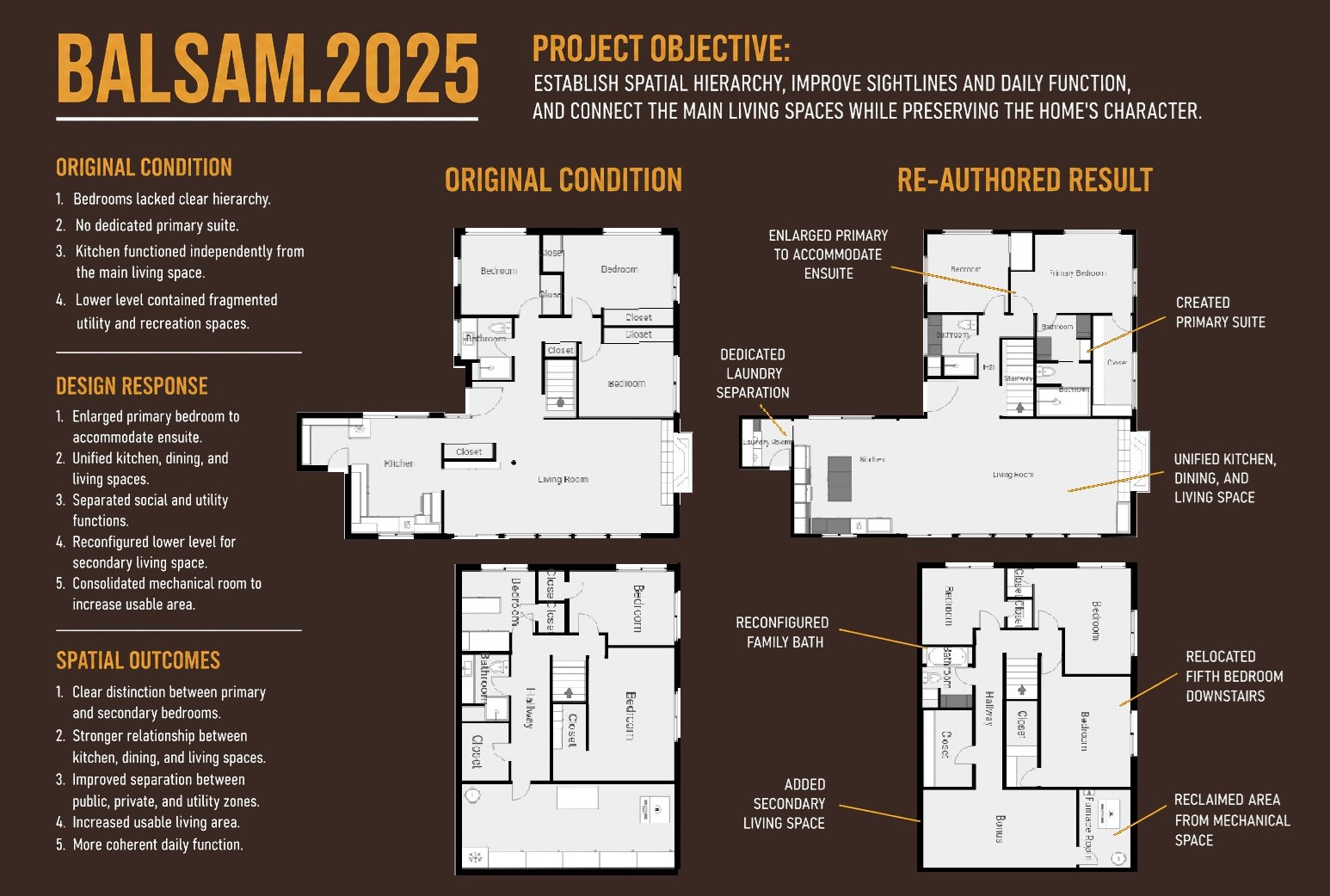
balsam.2025 case study.
A 1952 Central Rim home reworked around its strongest existing relationship: the living room, window wall, backyard, and pool.
Balsam.2025
1. Project Overview
Balsam is a 1952 mid-century home in Boise’s Central Rim neighborhood. The home was 2,470 square feet when purchased and finished at 2,710 square feet, moving from 5 bedrooms and 2 bathrooms to 5 bedrooms and 3 bathrooms.
The house had three clear strengths: a flat horizontal roofline, a strong Central Rim location, and a window wall looking out to the pool in the backyard. Those were the reasons the house was worth studying. The roofline gave it a clear mid-century presence from the street, and the window wall gave the living room a memorable connection to the backyard.
The problem was that the layout had the right pieces, but they were not working together. The dining room functioned more like circulation than a settled room. The kitchen was closed off from the main living spaces. The laundry occupied an awkward corner of the kitchen. The main level lacked a true primary suite, and an oversized basement utility room underutilized valuable square footage.
The project focused on making the main level, backyard, and basement work together. To do this I opened the kitchen, dining, and living relationship, separated the laundry, restored the pool, created a true primary suite, reclaimed basement space, reworked the basement bathroom, improved sound separation, and restored the original hearth tile after it was discovered beneath paint.
2. Existing Conditions
The strongest part of the house was the relationship between the living room and the backyard. The window wall looked directly toward the pool, which gave the main living space a clear focal point. That mattered because the pool was not tucked away or secondary. It was part of the daily experience of the house.
The layout around it was closed off from the pool and didn’t embrace it in the same way. A large closet divided the entry and dining room, which made the dining area feel like a pass-through. It sat between the living room and kitchen, but it did not have enough definition to feel like a room people would settle into.
The kitchen was closed off from the living and dining spaces. It also had an awkward appliance arrangement and a laundry area in the corner, which made the room feel more like a service zone than part of the main living area.
The main level had three bedrooms and one bathroom. One bedroom functioned as the primary bedroom, but all three bedrooms shared the same bathroom. For the type of buyer I imagined, that felt incomplete.
In the basement, the oversized utility room took up too much usable space. It was larger than it needed to be and had the furnace, water heater, and electrical panel, spread from one end to the other, which kept the lower level from functioning as well as it could.
Outside, the pool had chipped plaster, patched coping, and deteriorated concrete. Because the pool sat directly beyond the window wall, its condition had a large effect on how the house felt from inside.
3. Design Objective
The objective was to make the main level, backyard, and basement function together instead of feeling like separate parts.
The site suggested a house for an active household. Central Rim offered access to downtown, the Greenbelt, and Kathryn Albertson Park. The backyard and pool suggested outdoor use, hosting, and movement between inside and outside. The basement suggested flexibility for kids, guests, or secondary living space.
I imagined the likely buyer as a younger professional couple with kids that valued location, character, being active, sharing their home with friends, and enough separation for daily life to work. That’s what I used to shape the design and inform the major decisions.
The goal was not to add features for the sake of adding features. It was to make the strongest parts of the house easier to use and to correct the floorplan issues that kept the house from supporting the life it seemed suited for.
4. Main Planning Moves
Restoring the pool
The pool was the largest and first decision of the project.
I considered filling it in. Pools can narrow the buyer pool, and one buyer later said the pool was the reason they did not make an offer. But removing it had its own cost, city requirements, and likely value loss.
Given the pool had its original flagstone coping and is what connected the life inside to the backyard, I decided to restore it. The window wall looked directly at the backyard, and the backyard was organized around the pool. Removing the pool would have taken away one of the most specific parts of the property.
The pool scope included replumbing, stripping and replastering, restoring and cleaning the original coping, and replacing the pump.
Once the pool was restored, the surrounding concrete unintentionally became the focal point. I originally planned to repair it, but repair would have left the backyard feeling unfinished. The pool deck, front entry, and back porch became part of the same decision because they shaped how people moved between the house and the outdoor spaces.
The kitchen, dining, and living relationship
The biggest planning move was opening the relationship between the kitchen, dining room, and living room.
The living room had the strongest architectural feature, but the kitchen was separated from it. The dining room sat between them, but the closet and circulation path kept it from feeling settled. Opening the kitchen allowed those rooms to work together as one main living area.
This also made the window wall more important. Instead of being experienced only from the living room, the view toward the backyard and pool became part of the kitchen and dining experience as well.
This mattered because the project was designed around a household that would likely share the space with family and friends, and keeping an eye on the activity in the backyard seemed important.
Separating the laundry from the kitchen
The laundry location was awkward, but moving it completely would have added cost and complexity. Early in the planning, I considered connecting the garage to the house to create a mudroom, laundry room, and pantry, which would have solved several things at once, but it also would have expanded the project beyond what the house needed.
The better move was to improve the existing condition. I added a full-height cabinet at the end of the kitchen and separated the laundry with a solid core pocket door.
That door mattered. It let the laundry disappear when people were over, reduced sound, and kept the kitchen calmer once it became part of the main gathering space.
Creating a true primary suite
The main level needed a true primary suite. The house already had two basement bedrooms, and one oversized basement room had a closet, which appeared to have previously been framed for a door, so the bedroom count could still support a larger household.
I decided to sacrifice one upstairs bedroom to create a primary suite with a bathroom and walk-in closet. That made the main level feel more complete. A house designed for hosting and socializing also needed a private zone to recharge in.
Designing the primary bathroom around actual use
Since I was designing this for the younger professional couple I imagined as the future occupants, the primary bathroom was designed around two people getting ready at the same time.
I considered a conventional double vanity, but two sinks side by side still put both people in the same zone. I settled on offset vanities which gave each person a separate area and made the room function better.
That allowed me to separate the vanity area from the wet area, which housed the oversized shower and toilet. That was a practical decision. In a primary bathroom, especially one shared by two people, the toilet should be able to close off so that the bathroom could be utilized by two people at the same time.
Reclaiming basement utility space
The basement utility room was one of the clearest opportunities in the house.
By consolidating the water heater, electrical panel, and furnace into a dedicated mechanical room, the rest of the space became usable. That provided the opportunity for the basement to be used by kids as a secondary gathering area.
This mattered because the house needed to hold more than one activity at a time. Adults could gather upstairs while kids could hang out downstairs.
Keeping an upstairs flexible bedroom
After converting one bedroom into the primary suite, keeping another bedroom upstairs was important.
That room could function as an office, guest room, nursery, or serve its original purpose as an additional bedroom for a larger family. It gave the main floor flexibility without forcing a single use. For the household I imagined, that adaptability mattered.
Reworking the basement bathroom
The house never had a bathtub.
I originally did not plan to fully reconfigure the basement but had always planned to add a bathtub. However, since tying in the new primary bathroom required opening the basement floor, the opportunity to rework the layout became obvious. Once that happened, I decided that the basement bath could and should work better.
Adding a bathtub made sense because I pictured the lower level to predominantly be used by kids. The room needed to provide the flexibility to be used by kids of all ages, instead of simply being put back the way it was.
Managing sound transfer
Some of the more important decisions were not visual.
A passive vent ran between the primary bedroom and a basement bedroom below. I moved it as far as possible to reduce sound transfer. I also insulated interior walls around the primary suite, including the wall shared by the primary closet and wet room with the living room.
I used solid core doors where they would provide the most value for sound control. These areas included the hall bathroom, laundry room pocket door, the pocket door in the primary bath separating the wet room from the vanities and the basement bedrooms.
Those choices were about daily function and comfort. These areas needed to support the life inside the house and provide privacy where it was most important.
Restoring the original hearth tile
The fireplace hearth was a question mark for me for much of the project.
The original tile had been painted multiple times over the life of the house, and to be honest, I had considered covering it with microcement. During drywall finishing, mud was accidentally spilled on the hearth and while I was scraping it off, I caught a glimpse of the original tile underneath.
Once I saw a glimpse, I had to see more. This led to the tile being uncovered and restored so that it could participate in the house again. It ended up working with the material palette better than anything I would have chosen to cover it.
5. Decisions Considered
Leaving the layout mostly unchanged was the simplest option, but it would have left the main problems in place. The kitchen would still be separated, the dining room would still act mostly as circulation, and the window wall would still be underused.
Partial interventions were also considered, but that would have only solved part of the problem. Opening the kitchen without separating the laundry would have exposed a noisy service area. Restoring the pool without replacing the damaged concrete would have left the backyard feeling unfinished. Creating a primary suite without improving the basement would have made the house less balanced for a larger household.
Filling in the pool was considered seriously. It would have made the home easier for some buyers and removed a maintenance concern. But the cost of removal, the city requirements, and the relationship between the pool, backyard, and window wall made restoration the better decision.
Connecting the garage to the house was another option. It would have created a mudroom, larger laundry room, and pantry. Those would have been useful, but the move felt heavier than the problem required. It also would have taken away part of what makes the house unique. Improving the kitchen and laundry relationship within the existing footprint solved the problem without overbuilding.
I also considered a conventional double vanity in the primary bath. It would have been more familiar, but it did not match how I imagined two people actually using the room. The offset vanity layout was less expected and met with more resistance from those around me, but it allowed for the highest use of the space.
6. Construction Adjustments
The project changed during construction in several ways that improved the final result.
The pool restoration made the surrounding concrete look worse than expected. I had planned to repair it, but after seeing it next to the restored pool, replacement became the better choice. The pool deck, front entry, and back porch were repoured.
The back porch posts were replaced and moved out of the circulation path between the pool house and the back of the garage. It helped construction access, but it also made the finished path work better.
The passive vent between the primary bedroom and basement bedroom was moved to reduce sound transfer. Interior walls around the primary suite were insulated for the same reason.
Some adjustments came from the existing construction. Certain walls were 2x6 instead of 2x4, and some basement conditions required custom jambs. In a few locations, solid core doors became the better decision because modifying hollow core doors would have taken more time and produced a weaker result.
The basement bathroom layout was decided after demo exposed the plumbing path. Rather than forcing a tub to fit in the original layout, I reworked the room to improve its functionality.
The hearth tile was another construction discovery. I had not planned to restore it because I did not know what was under the paint. Once the original tile was exposed, restoring it became the obvious decision.
7. Neighborhood Context
One of the more unexpected parts of the project came from the neighbors.
People stopped by during construction to see the work and ask what was happening. Some shared stories about the house. Some showed me projects they had completed on their own homes. Another shared coffee beans they had roasted themselves.
The most helpful context was what they told me about the pool. They said the prior family used to open the house during the summer. The pool was used for gatherings, Fourth of July parties, and neighborhood kids swimming. There was even a doorbell at the back laundry room door so kids could get the family’s attention from outside.
By that point, I had already decided to restore the pool based on the layout, the backyard, and the buyer profile I imagined, but the stories confirmed that even though it was the tougher option, it was the right one.
8. Outcome
Balsam finished as a more connected 2,710 square foot, 5 bedroom, 3 bath home.
The kitchen, dining, and living spaces worked better together. The laundry was separated from the kitchen. The pool was restored, and the surrounding concrete was replaced. A true primary suite was added on the main level. The basement utility room was reduced and converted into more living space. The basement bathroom was reworked. Sound transfer was addressed in key areas. The original hearth tile was uncovered and restored.
The material palette was restrained and consistent. Alder was used for cabinetry, built-ins, the slat wall, handrail, and fireplace mantel. Lauan was used for the doors, pine for the casings and custom jambs, and chrome for hardware, plumbing fixtures, mirrors, and related finishes. The interior used Shoji White on the main walls and baseboards, with Pure White on exterior doors and casings. The exterior used Worldly Gray, Griffin, and Rookwood Terra Cotta at the front door.
The tile strategy used repeated stacked-grid patterns in different sizes, including 4x4, 2x2, 2x8, 2x4, 8x8, 4x8, and 6x6. That gave the house continuity without making every room feel identical.
The market response was strong. The home received multiple offers above list price. The accepted offer included appraisal gap coverage, a short close, and escalation language showing additional buyer strength and confidence in the home.
The buyer profile ended up matching the kind of household I had imagined: a young professional couple with multiple children, an active lifestyle, and a need for gathering, privacy, and flexibility.
Balsam became the first project where the Lovett Homes approach felt clear in hindsight. I noticed the strongest parts of the house, identified the planning issues, made decisions around a specific kind of household, and used construction discoveries to improve the result instead of forcing the original plan.
It was not a generic update. It was a specific house with specific problems, and the work was about making those problems resolve into a better way of living.
Before and After.
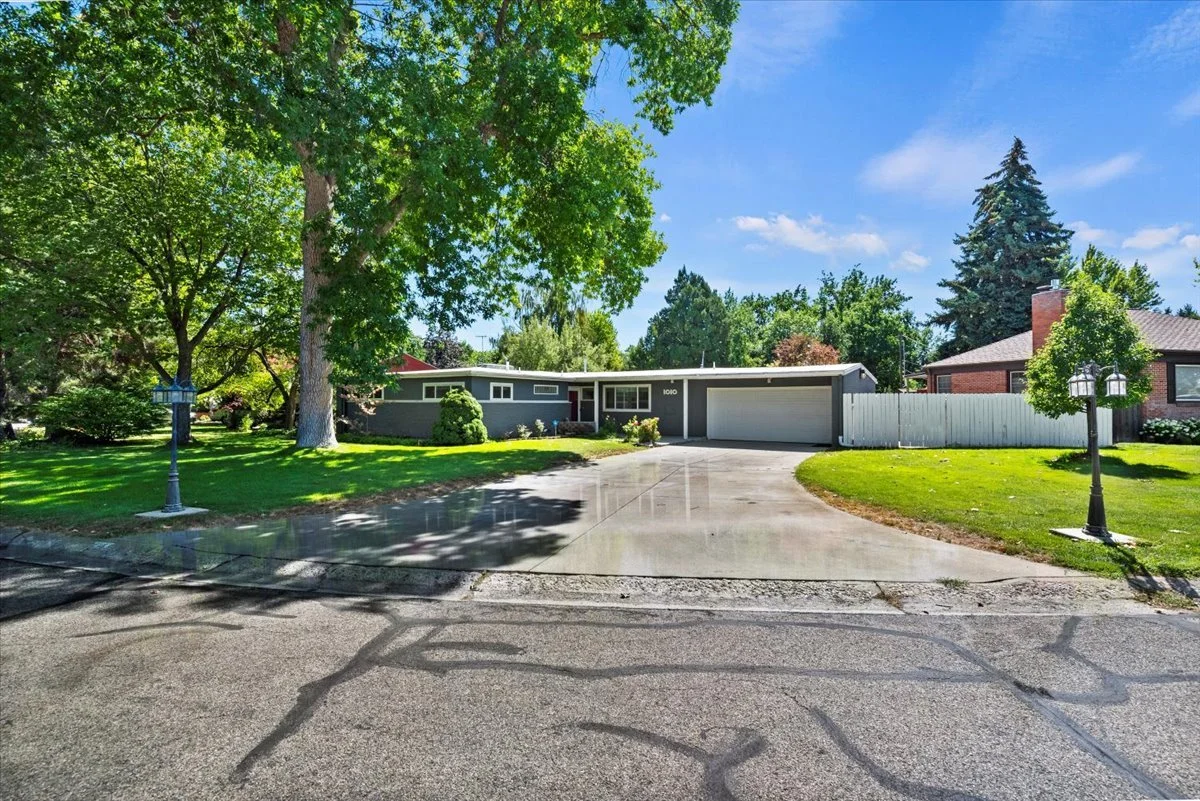
The Original Condition.
“The window wall was the first clue.”
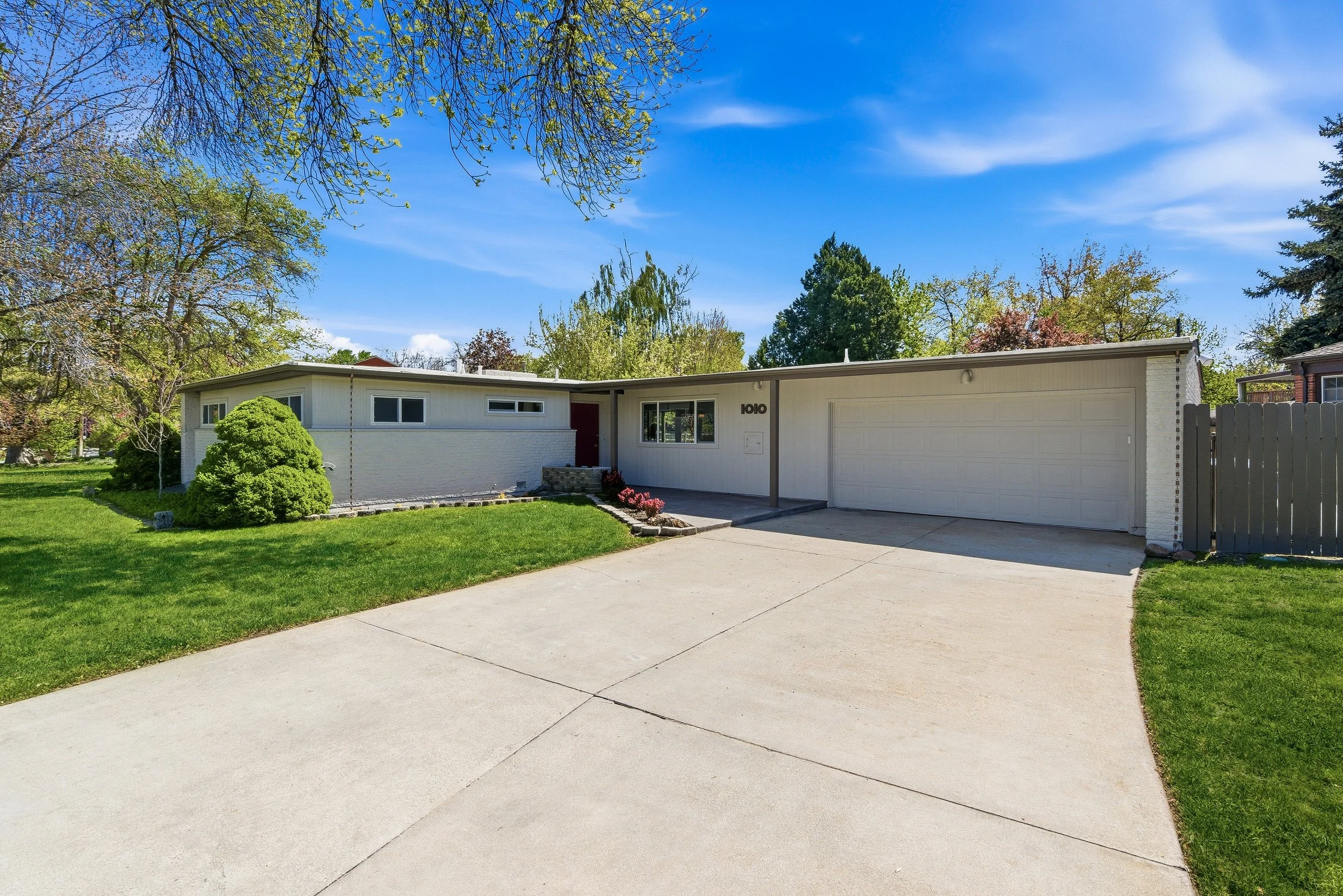
The Re-authored result.
“The buyer profile ended up matching the household I had imagined…"